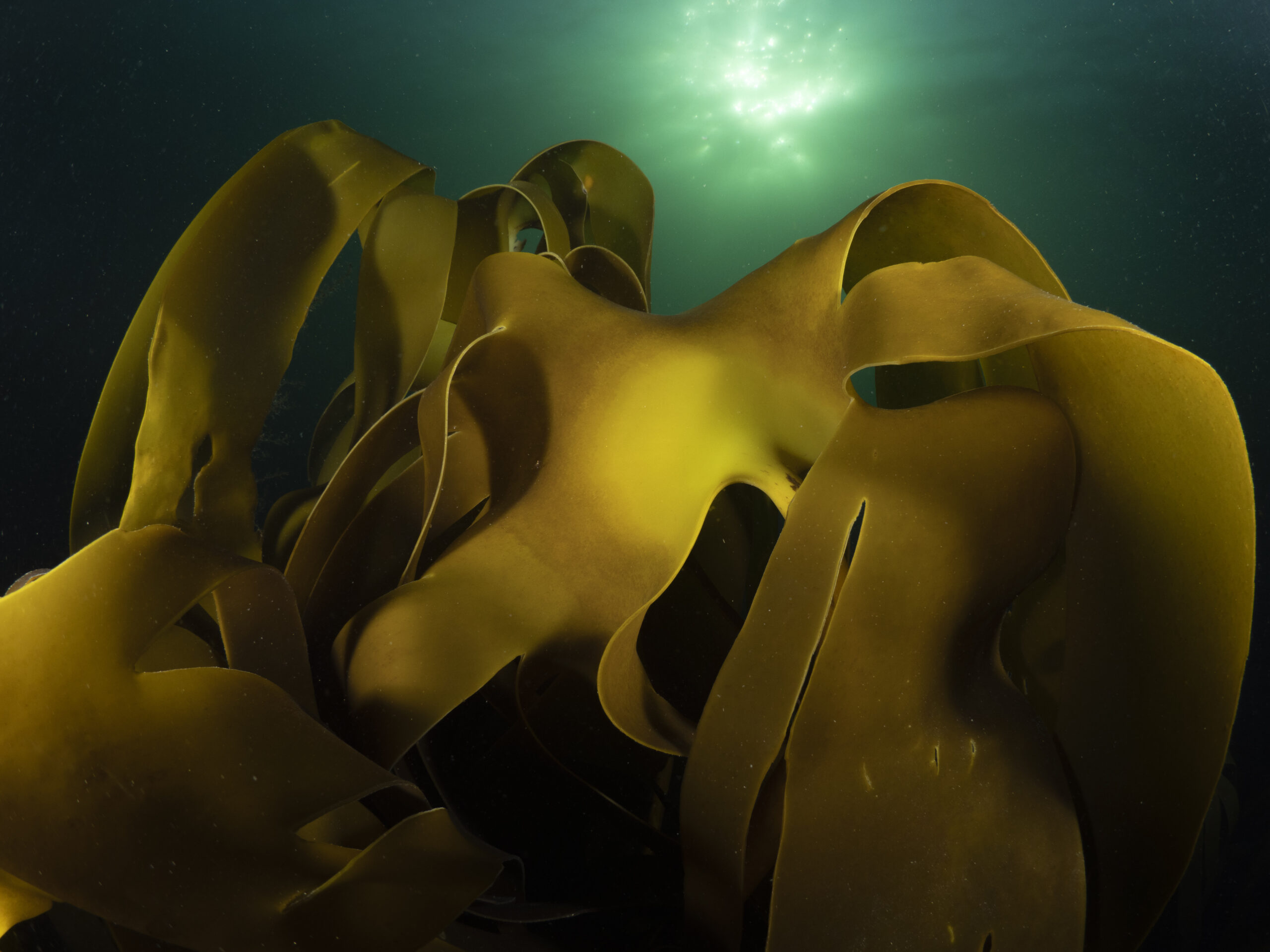
Tiny Cells, Big Solutions – How microalgae are powering the future of medicine, food, and sustainable technology.
What Is Microalgae?
Microalgae are microscopic, single-celled organisms found in fresh and marine waters. They’re ancient, diverse, and incredibly productive — some species can double in number every 24 hours!
Researchers are now using microalgae to produce nutritional supplements, biofuels, pharmaceuticals, and even materials that help capture carbon dioxide from the air.
What You’ll Discover
- Examples of biotech products made from algae
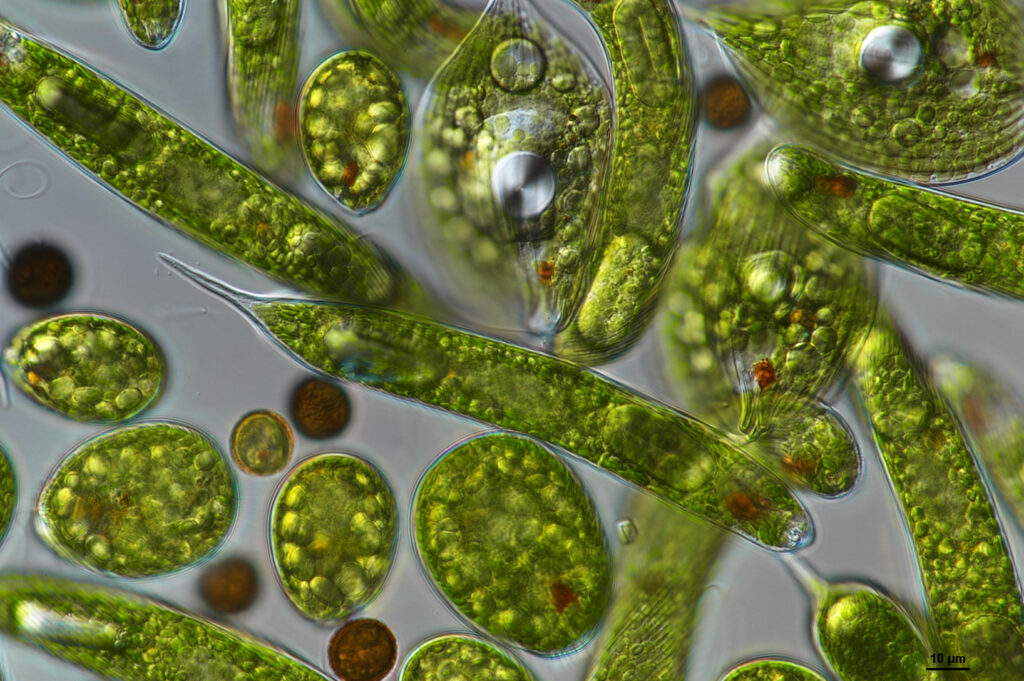
- A look at real microalgae species under the microscope
- Models and diagrams of how algae are grown in photobioreactors
From Lab to Industry
Growing microalgae at scale involves:
- Incorporating them into real-world products like supplements, packaging, or animal feed
- Optimising growth conditions (light, temperature, CO₂)
- Harvesting the cells by filtration or centrifugation
- Processing into oils, proteins, or active compounds
FAQs
How Are Microalgae Grown?
Microalgae are cultivated in systems called photobioreactors — sealed tubes or tanks that control light, nutrients, and carbon dioxide to help algae grow quickly and cleanly. These systems are scalable, meaning they can grow microalgae for small labs or large industrial farms.
Some bioreactors are:
- Open raceway ponds for large-scale, low-cost growth
- Flat-panel designs for efficient light capture
- Bubble columns that circulate air and nutrients
Common Species in Biotech:
- Haematococcus pluvialis – Source of astaxanthin, a powerful antioxidant
- Chlorella vulgaris – Rich in protein and chlorophyll, used in health supplements
- Spirulina (Arthrospira platensis) – A high-protein, nutrient-dense food
- Nannochloropsis – Excellent for producing bio-oils and omega-3s
- Dunaliella salina – Used for its bright red pigment, beta-carotene
Quick Facts
- Microalgae can absorb more CO₂ than trees per unit are
- They don’t compete with crops for farmland
- Some species are used in astronaut food and space research
- Algal biofuel can power cars, planes, and even satellites