– Plastic Without Pollution –
Every year, millions of tonnes of plastic enter our environment — but what if we could make plastic that vanishes naturally, using just seaweed from the ocean?
In this activity, discover how we turn seaweed into biodegradable plastic, how it works, and why it could be a big part of a cleaner future.
What Is Seaweed Plastic?
- 🌊 Made from brown seaweed
- 🌍 Breaks down naturally — no microplastics!
- 🧴 Can replace single-use packaging like cling film
- 🧪 Used in science, food, and even wound care
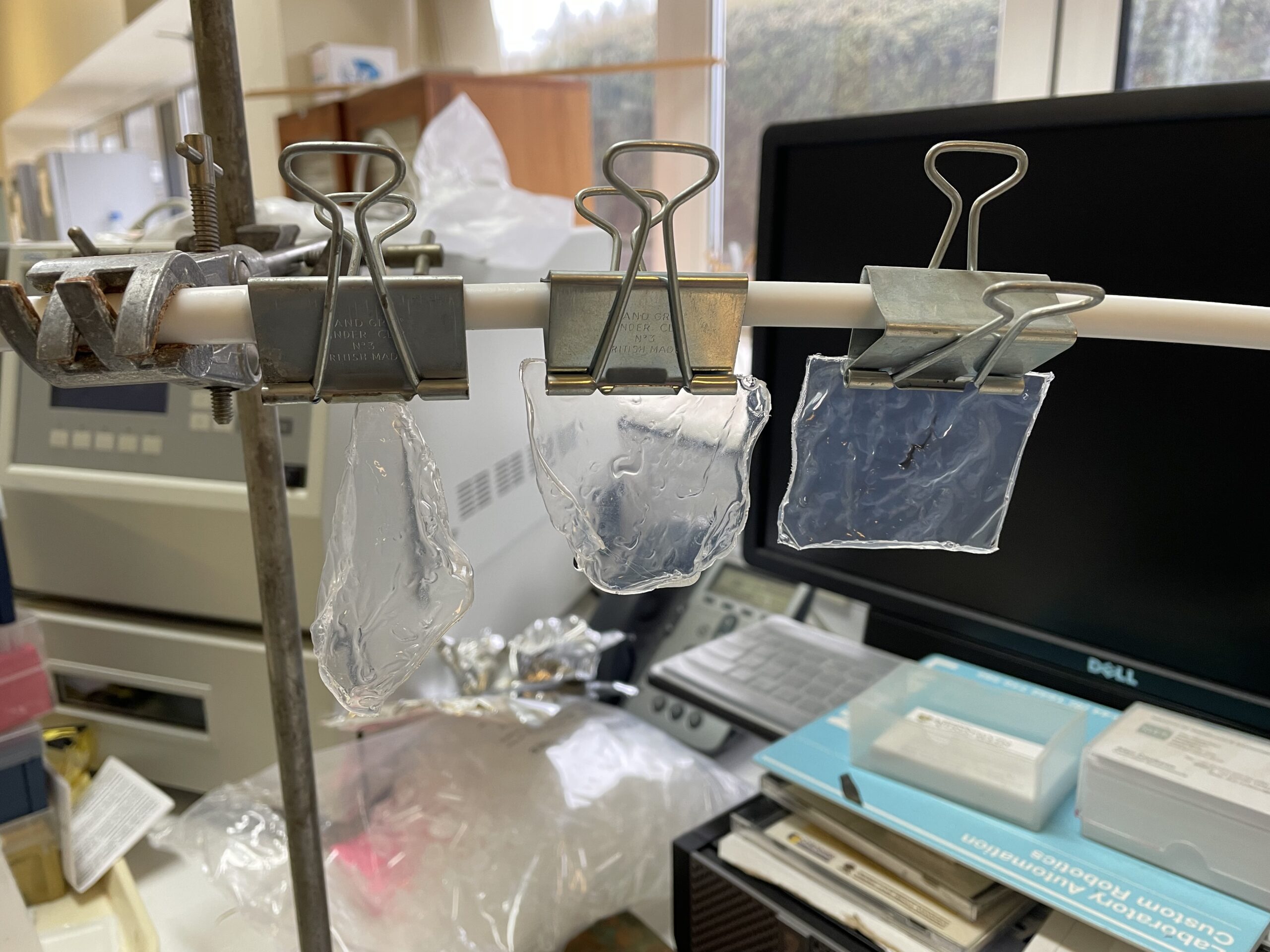
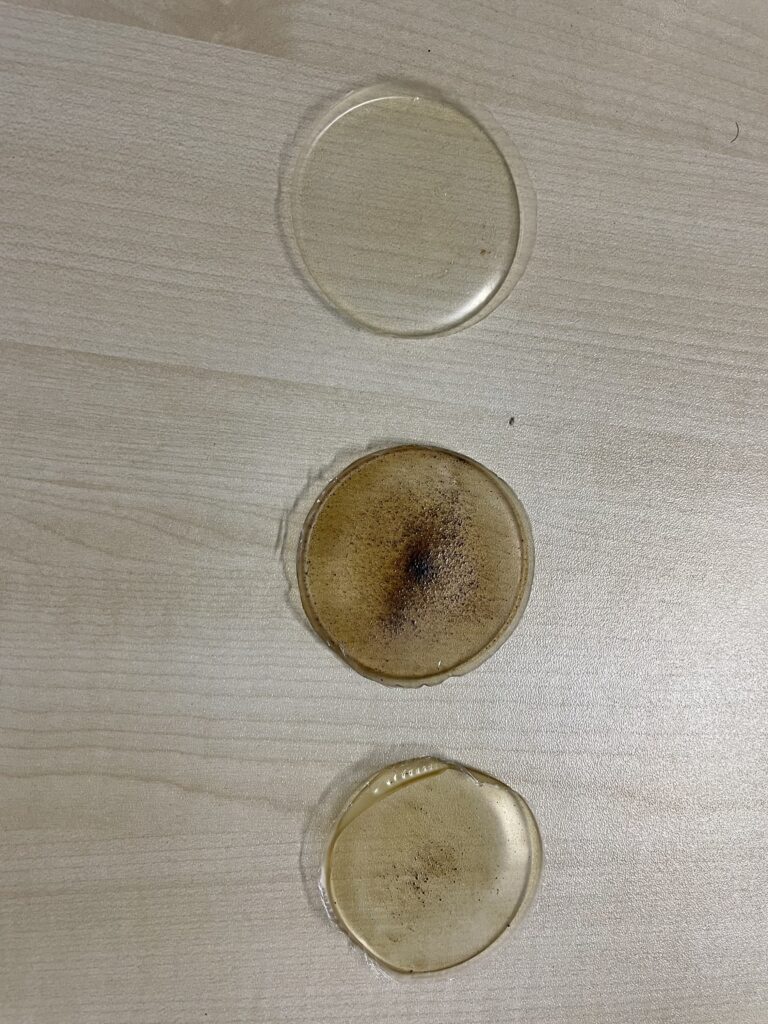
Our bioplastic is made using sodium alginate, a natural substance extracted from brown seaweed. When we mix it with water and a few other safe ingredients, it forms a gel-like material. Add calcium, and it transforms into a strong, flexible film — just like plastic, but biodegradable and compostable.
This material can dissolve in water over time, leaving nothing harmful behind. It’s safe for the planet and holds huge promise for food packaging, agriculture, and even medical use.
See the Science
Live Demonstrations Include:
- Dissolving the film in water to see how fast it disappears
- Mixing ingredients to form bioplastic
- Crosslinking the film with calcium chloride
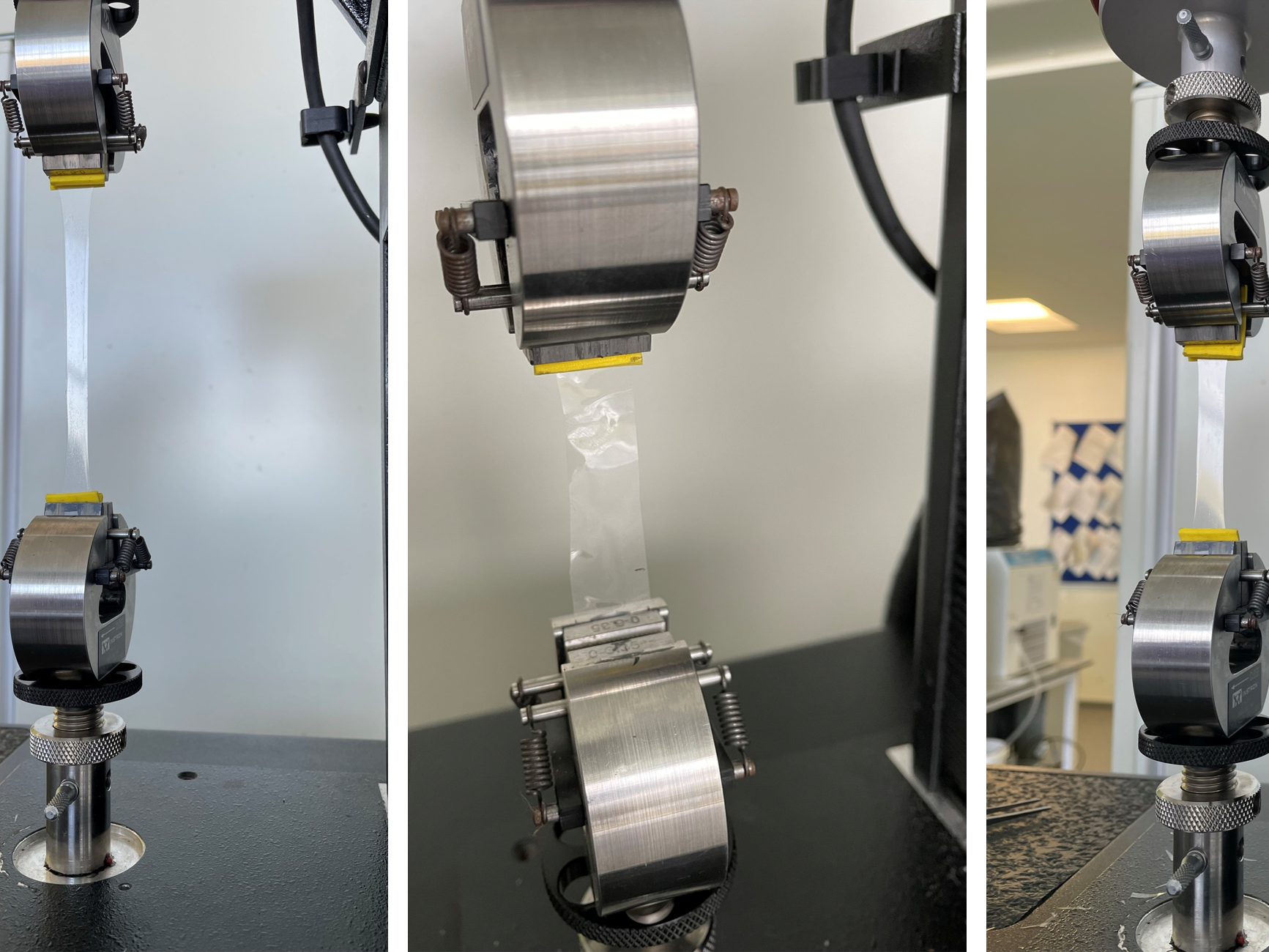
- Comparing plastic samples with commercial plastic alternatives
Meet our team
We sat down with Luke Barnett, a PhD researcher at Aberystwyth University, who’s developing biodegradable plastic made from seaweed. Luke’s work focuses on creating sustainable alternatives to conventional plastics — ones that can safely break down in the environment.

Luke Barnett PhD
Aberystwyth University
He’s passionate about using nature-based solutions to tackle pollution and hopes to see seaweed-based packaging on supermarket shelves in the near future. In this Q&A, Luke answers your questions about how seaweed plastic works, why it matters, and how you can try it at home.
Q&A:
Is this seaweed plastic actually plastic?
It behaves like plastic — flexible, strong, and waterproof — but it’s not made from oil. It’s made from natural polymers found in seaweed, which are completely biodegradable.
How long does it take to break down?
That depends on the environment. In warm water, it can dissolve in under a minute. In compost or soil, it can biodegrade in a few days to weeks, depending on thickness.
Can I eat it?
Technically yes! Sodium alginate is used in some foods and drinks, but our plastic is made for packaging, not snacks. (We don’t recommend tasting it!)
Could this replace supermarket plastic?
In the future — yes! Especially for things like salad bags, sauce sachets, or food wraps. Right now, researchers like us are working to make it stronger, cheaper, and easier to use on a big scale.
Does making this plastic harm the ocean?
No — we use sustainably harvested seaweed that grows back quickly. Seaweed farming is one of the most eco-friendly forms of aquaculture and actually helps absorb carbon from the atmosphere.
Can I try making it at home?
You can! We’ll have a scannable QR code on the event day linking to an activity sheet with all the materials and instructions you need to make your own seaweed plastics.
What You’ll See
- Live demos of seaweed-based plastic being made
- Bioplastic film samples to touch and compare
- A hands-on area where you can make your own seaweed film
- Real scientific experiments made simple and interactive